
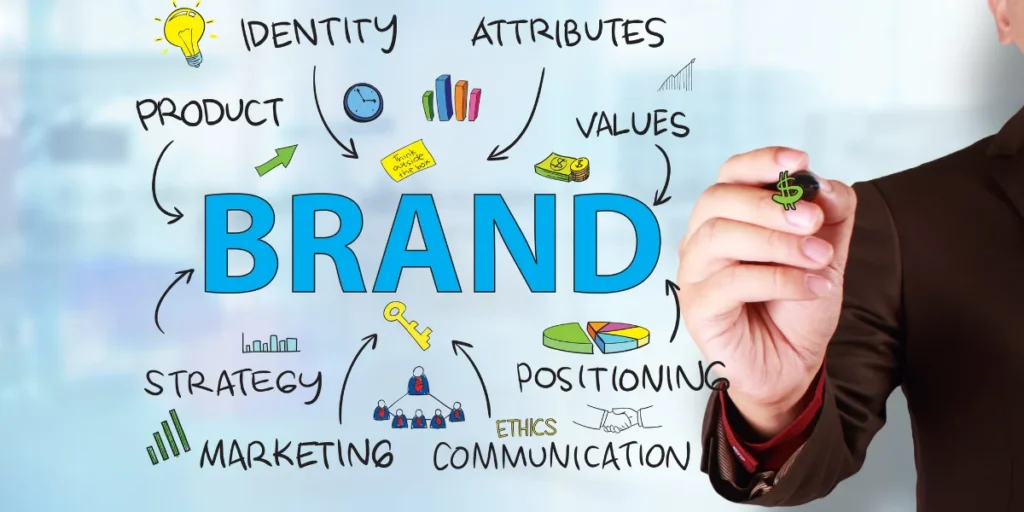
Did you know that over 70% of small and medium businesses in Pakistan shut down within their first three years, and a poor or missing brand identity is one of the leading contributors? In a market as competitive and fast-moving as Pakistan’s, your brand is not just a logo on a banner or a color on your packaging. It is the entire experience your customer has every time they interact with your business.
Brand identity in Pakistan is one of the most misunderstood concepts among business owners, startup founders, and even experienced marketers. Most confuse a logo with a brand, a color palette with an identity, or a catchy slogan with a strategy. The result is a marketplace filled with businesses that look and sound similar, competing only on price because they have nothing else to differentiate them.
This guide is written specifically for Pakistani business owners, entrepreneurs, and marketing professionals who want to understand what brand identity in Pakistan truly means, what mistakes are costing local businesses millions of rupees every year, and how to build a brand identity that earns customer trust, drives recognition, and fuels long-term growth. Whether you are launching a startup in Karachi, scaling a retail brand in Lahore, or managing an e-commerce store from Islamabad, this guide is for you.
In this guide, you will learn: the real definition of brand identity and its core components, the critical difference between a logo and a brand, the most damaging branding mistakes Pakistani businesses make in FY-2026, brand identity examples from Pakistan that succeeded and failed, and a step-by-step framework for building a strong brand identity from scratch.
Table of Contents
1. What Is Brand Identity? A Clear Definition for Pakistani Businesses
2. Logo vs Brand Identity: Understanding the Critical Difference
3. Why Brand Identity in Pakistan Is So Often Misunderstood
4. Branding Mistakes in Pakistani Businesses That Cost Real Money
5. Brand Identity Examples Pakistan: Who Is Doing It Right and Who Is Not
6. How to Build a Strong Brand Identity in Pakistan: A Step-by-Step Framework
7. Brand Strategy for Startups in Pakistan: Starting From Zero
8. Frequently Asked Questions About Brand Identity in Pakistan
What Is Brand Identity? A Clear Definition for Pakistani Businesses
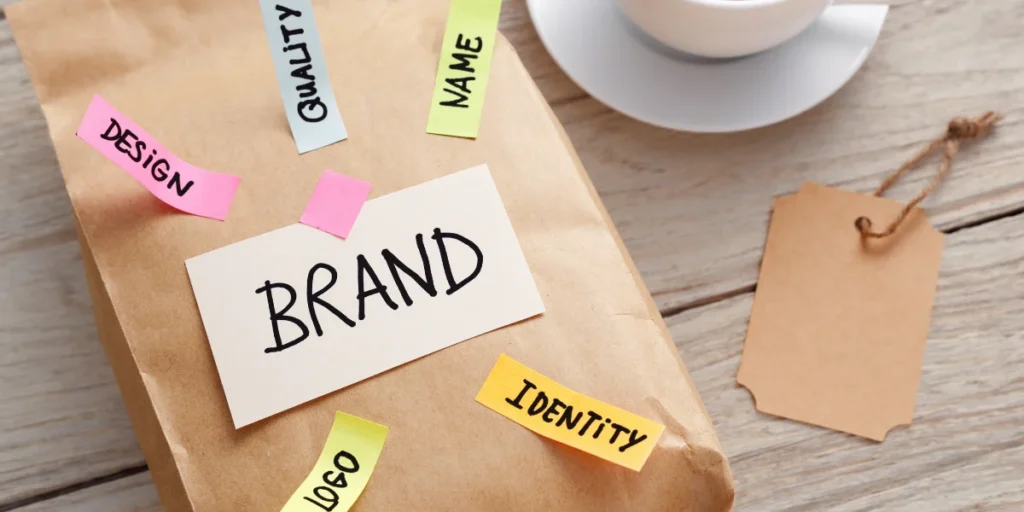
Brand identity is the collection of all visual, verbal, and experiential elements that a company uses to present itself to its audience and to distinguish itself from competitors. It goes far beyond a logo or a color scheme. It is the sum of what your business looks like, sounds like, feels like, and stands for in your customers’ minds.
Understanding brand identity means recognizing its layers. It starts with visual elements but extends deep into tone of voice, messaging, values, and even the way your customer service team responds to a complaint on WhatsApp. Every single touchpoint your customer has with your business contributes to your brand identity.
The Core Components of Brand Identity
Brand identity is built from several interconnected components that must work together to create a unified impression. These components are not optional extras but the essential building blocks of any recognizable and trusted brand.
- Logo and Visual Mark: The central graphic symbol of your brand, which should be distinctive, scalable, and meaningful.
- Color Palette: A defined set of primary and secondary colors used consistently across all brand materials.
- Typography: The specific fonts or typefaces that represent your brand’s personality in printed and digital formats.
- Brand Voice: The tone, language, and style your brand uses when communicating with customers across platforms.
- Brand Values: The principles and beliefs your business stands for, which shape decisions, messaging, and culture.
- Visual Identity System: The overall design language is applied consistently to packaging, website, social media, and advertising.
- Brand Positioning: How you define your place in the market relative to competitors and in the minds of your customers.
Why the Importance of Brand Identity Cannot Be Overstated
The importance of brand identity becomes especially clear when you consider that consumers form an impression of a brand within the first seven seconds of encountering it. According to a 2024 study by Lucidpress, consistent brand presentation across all platforms can increase revenue by up to 23%. For businesses in Pakistan operating in crowded markets like fashion, food, technology, and retail, this consistency is the difference between being remembered and being ignored.
Brand identity creates customer trust. When a consumer sees the same visual language, hears the same tone, and experiences the same quality across every interaction, they begin to trust the brand. In Pakistan, where word-of-mouth still drives a significant portion of purchasing decisions, trust is not just valuable, it is essential.
Brand recognition is also directly tied to a well-developed brand identity. Think of Shan Foods. Whether you see their packaging in a supermarket in Lahore, on a billboard in Karachi, or in a digital ad on Instagram, you recognize it instantly. That recognition is not accidental. It is the result of decades of consistent brand identity work.
Logo vs Brand Identity: Understanding the Critical Difference
One of the most persistent and costly misconceptions in brand identity in Pakistan is the belief that a logo and a brand identity are the same thing. This misunderstanding leads business owners to invest thousands of rupees in logo design and then wonder why their brand is still not generating recognition or loyalty.
What a Logo Actually Is
A logo is a graphic mark or symbol that visually represents your brand. It is one component of your brand identity, arguably the most visible one, but it is not the whole story. A logo can be a wordmark (your business name in a specific font), a lettermark (initials), an icon, or a combination of these elements.
Your logo serves as a visual shorthand for your brand. When people see the crescent and star on a green field, they immediately recognize Pakistan. When people see a certain swoosh, they think of athletic performance. The logo creates instant recognition, but it cannot communicate your values, your voice, your culture, or your promise to the customer on its own.
What Brand Identity Actually Is
Brand identity is the full system that gives your logo meaning. It includes the colors you use, how you write captions on Instagram, the packaging design for your product, how your team answers customer service calls, the typography on your website, and the emotional feeling customers associate with your name.
| Element | Logo | Brand Identity |
| Definition | A graphic mark or symbol | The complete visual and verbal system |
| Scope | Single design asset | Holistic brand experience |
| Includes | Icon, wordmark, colour of the mark | 50,000 to 500,000+ for a full identity system |
| Function | Creates visual recognition | Builds trust, loyalty, and differentiation |
| Design cost (PKR) | 5,000 to 150,000 (freelance to agency) | Icon, wordmark, color of the mark |
| Timeline | Days to weeks | Weeks to months |
| Changes over time | Evolves occasionally | Evolves as strategy and audience evolve |
The difference between logo and brand identity is not just semantic. It has real financial consequences. A business that invests only in a logo and neglects the rest of its brand identity will struggle to build brand recognition, command premium pricing, or earn the kind of loyalty that brings customers back again and again.
Why Brand Identity in Pakistan is So Often Misunderstood
There are structural, cultural, and educational reasons why brand identity in Pakistan continues to be misunderstood and undervalued by a significant majority of business owners. Understanding these reasons is the first step toward fixing the problem.
The Short-Term Thinking Problem
Pakistani business culture, shaped by decades of economic instability, often prioritizes short-term returns over long-term investment. Brand building is a long-term play. The results of good brand identity work do not always show up in the first quarter. They show up over the years, in the form of customer loyalty, pricing power, and market share.
When business owners see branding as an expense rather than an investment, they cut corners. They hire the cheapest designer on Facebook Marketplace, avoid paying for a brand strategy, and end up with a logo that looks like every competitor in their category. The result is a business that competes only on price because it has no brand equity to fall back on.
The Digital Misunderstanding
The rise of social media in Pakistan has created a new misunderstanding: that posting on Instagram is the same as having a brand. Many small business owners in Pakistan believe that a well-designed Instagram page with consistent posting is their brand identity. While social media is an important part of expressing your brand identity, it is not a substitute for having a brand identity.
Brand identity design in Pakistan requires a foundational strategy: who you are, what you stand for, who you serve, and how you want them to feel when they interact with you. Without answers to these questions, even the most beautiful Instagram feed is just noise.
The Education Gap
Marketing education in Pakistan, particularly at the SME level, has historically underemphasized brand strategy. Business owners learn about sales, operations, and finance, but rarely receive structured guidance on brand building. This education gap means that many well-intentioned entrepreneurs invest their limited resources in the wrong places.
For a deeper understanding of how Pakistani brands are navigating digital growth, we highly recommend exploring the resources available on letsuncover.pk, a platform dedicated to uncovering marketing truths for Pakistani entrepreneurs and professionals.
Branding Mistakes in Pakistani Businesses That Cost Real Money
There are several branding mistakes in Pakistani businesses that recur across industries and company sizes. Identifying and avoiding these mistakes is one of the fastest ways to improve your brand identity in Pakistan and gain a competitive advantage.
Mistake 1: Copying Competitors Instead of Differentiating
Walk through any major shopping district in Pakistan or scroll through any product category on Daraz, and you will notice something alarming: many brands look nearly identical. They use the same color schemes, the same typography styles, and the same generic product photography. This visual uniformity results from businesses copying one another rather than investing in original brand positioning.
Brand differentiation is at the core of what brand identity is supposed to achieve. If your packaging looks like every other brand in your category, your customers have no reason to choose you over a competitor who offers a slightly lower price. You have essentially competed yourself into a race to the bottom.
Mistake 2: Inconsistency Across Touchpoints
Brand consistency is one of the most powerful drivers of brand recognition, and it is one of the most commonly violated principles in brand identity in Pakistan. A business might have a professionally designed logo but then use completely different colors on their product packaging, a different font on their website, and a completely different visual style on their social media.
This inconsistency creates confusion. When a customer encounters your brand across different touchpoints, and each encounter feels slightly different, they cannot form a coherent impression of who you are. They do not remember you. They do not trust you. And they do not come back.
Mistake 3: Ignoring Brand Voice and Brand Messaging
Brand voice is the personality and tone your brand uses when communicating. Many Pakistani businesses have invested in visual brand identity but have never thought about their brand voice. The result is communication that is inconsistent, generic, or misaligned with the brand’s visual identity.
Consider a premium fashion brand in Pakistan that has beautiful packaging and photography but writes Instagram captions in casual Hinglish with spelling mistakes. The disconnect between the visual identity (premium) and the brand voice (careless) undermines the entire brand experience.
Mistake 4: Skipping Brand Strategy and Going Straight to Design
Perhaps the most expensive mistake is treating brand identity design in Pakistan as a purely visual exercise. Many business owners hire a designer before they have answered the fundamental strategic questions: Who is my target audience? What problem do I solve for them? How do I want them to feel? What makes me different?
Without a clear brand strategy, even the most talented designer cannot produce a brand identity that works. Design without strategy is just decoration. It may look good, but it will not perform. A well-executed brand strategy for startups in Pakistan must precede any visual design work.
Mistake 5: Treating Branding as a One-Time Exercise
Brand identity is not a one-time project. It requires ongoing management, refinement, and evolution. As your business grows, your target audience shifts, and the market changes, your brand identity needs to evolve with them. Many Pakistani businesses build a brand identity at launch and then never revisit it, even as the business changes significantly.
Brand Identity Examples in Pakistan: Who Is Doing It Right and Who Is Not
Examining brand identity examples in Pakistan provides a real-world context for the principles discussed above. Looking at local brands that have succeeded or struggled with their brand identity reveals lessons that are directly applicable to your own business.
Pakistani Brands Getting Brand Identity Right
Shan Foods is the most-cited example of a strong brand identity in Pakistan. Their consistent use of deep red and gold across all packaging, their bold and culturally resonant visual identity, and their consistent messaging around family, tradition, and taste have created one of Pakistan’s most recognizable brands. Their identity has remained consistent for decades while evolving subtly to stay modern.
Khaadi is another excellent example of brand identity done right. From the moment you walk into a Khaadi store, visit their website, or see one of their campaign images, the brand experience is consistent. The earthy color palette, the premium photography style, the consistent typographic system, and the brand messaging around Pakistani heritage all work together to create a clear and powerful brand identity.
Bykea has built a strong digital brand identity by being consistently bold, direct, and locally grounded. Their use of color, their social media personality, and their communication style are all aligned. They do not try to look like an international brand. They lean into their Pakistani identity, and it has paid off.
Common Patterns in Pakistani Brands That Struggle
Across industries, the Pakistani brands that struggle with brand identity tend to share common characteristics. They have inconsistent visual elements across different platforms. Their messaging is generic and does not speak to a specific audience. They have invested in a logo but not in a full brand identity system. Their brand voice shifts depending on who is writing the content on a given day.
Many food and fashion businesses in Pakistan fall into this category. They may have decent products, but their brand identity design in Pakistan has never moved beyond a logo and a business card. As a result, they are constantly fighting price wars because their brand has no equity to justify a premium.
How to Build a Strong Brand Identity in Pakistan: A Step-by-Step Framework
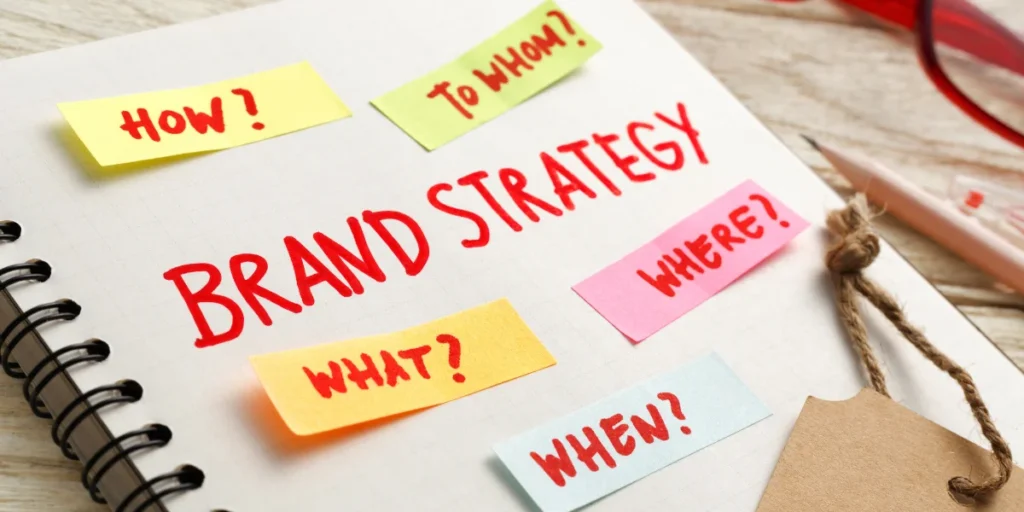
Learning how to build a strong brand identity is not reserved for large corporations. Even a small business or a startup in Pakistan can build a powerful brand identity by following a structured approach. Here is a practical framework developed specifically for Pakistani market conditions in FY-2026.
Step 1: Define Your Brand Foundation
Before any design work begins, you must define your brand foundation. It includes your brand purpose (why you exist beyond making money), your brand values (the principles you will never compromise on), your brand personality (if your brand were a person, how would you describe them), and your brand promise (the consistent value you deliver to every customer).
This foundation work might take days or even weeks, but it is the most important investment you will make in your brand identity. Everything else, every design decision, every piece of content, every customer interaction, flows from this foundation.
Step 2: Understand Your Target Audience Deeply
Brand identity does not exist in a vacuum. It exists in your customers’ minds. Before you can build a brand identity that resonates, you need to understand your target audience deeply. In the Pakistani context, this means understanding not just demographics (age, gender, income level, location) but also psychographics (values, aspirations, fears, cultural references, preferred language, digital behavior).
Brand perception is shaped by how well your identity aligns with your audience’s worldview. A brand targeting urban millennial women in Karachi needs a very different identity than a brand targeting small business owners in tier-2 cities like Faisalabad or Multan.
Step 3: Define Your Brand Positioning
Brand positioning is the space your brand occupies in the minds of your target customers relative to your competitors. It answers the question: Why should someone choose you over everyone else? Your positioning statement should be specific, differentiated, and credible.
For Pakistani businesses, positioning often requires honest competitive analysis. What are your competitors doing? Where are the gaps? What do customers in your category complain about that you can genuinely solve better? The answers to these questions form the basis of your positioning.
Step 4: Build Your Visual Identity System
Only after completing the strategic groundwork should you move to visual identity design. Your visual identity system should include a primary logo with approved variations, a defined color palette with exact codes (Pantone, CMYK, RGB, HEX), a typography system with primary and secondary fonts, an imagery style guide, and a set of design principles that govern the use of all elements.
Brand identity design in Pakistan requires working with designers who understand not just design principles but also the Pakistani market, cultural context, and consumer psychology. A beautiful logo that is culturally tone-deaf will not build the brand recognition you are aiming for.
Step 5: Develop Your Brand Voice Guidelines
Your brand voice should be documented and shared with everyone who creates content for your brand. Define your tone (formal, casual, authoritative, friendly), your language style (Urdu, English, Urdu-English mix), the words and phrases you use and the ones you avoid, and how your tone shifts across different contexts (a complaint response sounds different from a product launch post).
Brand-building tips for small businesses in Pakistan often overlook the voice dimension entirely. But in a social-media-first market, your brand voice is often the first thing a potential customer encounters, long before they see your physical product or visit your store.
Step 6: Implement Consistently Across All Touchpoints
A brand identity only works when it is applied consistently. Create a brand guidelines document that captures all your brand identity elements and share it with everyone involved in creating brand touchpoints: designers, copywriters, social media managers, packaging suppliers, and customer service teams.
Audit all your existing touchpoints: website, social media profiles, packaging, business cards, invoices, email signatures, and advertising materials. Bring everything into alignment with your new brand identity system. This audit alone often reveals shocking inconsistencies that have been quietly undermining your brand identity in Pakistan for years.
For video resources on applying brand identity principles in the Pakistani market, the LetsUncover YouTube channel offers in-depth tutorials and case studies that are highly relevant to local entrepreneurs.
Brand Strategy for Startups in Pakistan: Starting From Zero
Building brand identity in Pakistan as a startup comes with unique challenges and advantages. The challenges include limited budgets, time pressure, and the temptation to copy established competitors. The advantages include the freedom to define your identity without the weight of legacy decisions and the ability to build with a digital-first audience in mind.
Budget-Conscious Brand Building Tips for Small Businesses
Brand-building tips for small businesses in Pakistan in FY-2026 must reflect the economic reality that most startups operate on tight budgets. The good news is that a strong brand identity does not require a massive investment. It requires strategic thinking and disciplined execution.
- Start with strategy, not design. Spend time defining your brand foundation before investing in visuals.
- Invest in one great logo and a clear color palette before anything else. These two elements will take you further than you think.
- Use free tools like Canva for consistent social media graphics until you can afford custom design templates.
- Define your brand voice in writing and make sure everyone who posts on your behalf understands it.
- Choose two or three platforms and be consistent on those rather than spreading thin across every social network.
- Document your brand identity in a simple one-page brand guide that you can share with contractors and suppliers.
When to Invest in Professional Brand Identity Design in Pakistan
There is a right time to invest in professional brand identity design in Pakistan, and it is usually earlier than most business owners think. If you are launching a product or service that will be sold in physical retail, if you are planning to compete in a premium price segment, if you are seeking investor funding, or if you are scaling a business that already has traction, these are all clear signals that professional brand identity work is a necessary investment.
The cost of professional brand identity design in Pakistan varies widely, from PKR 50,000 for a basic identity package from a freelance designer to PKR 500,000 or more for a comprehensive brand identity system from a full-service agency. The return on that investment, measured in customer trust, pricing power, and brand recognition, almost always justifies the cost.
For additional insights on building a brand from scratch in Pakistan, explore the articles at letsuncover.pk, which regularly publishes content tailored to Pakistani entrepreneurs navigating brand building, digital marketing, and business growth in FY-2026.
Conclusion: Stop Getting Brand Identity in Pakistan Wrong
Brand identity in Pakistan is not a luxury that only large corporations can afford. It is a fundamental business requirement for any company that wants to grow sustainably, earn customer loyalty, and compete on value rather than price. The evidence is clear: businesses that invest in building a coherent, consistent, and strategically grounded brand identity consistently outperform those that do not.
Here are the three key takeaways from this guide. First, brand identity in Pakistan is far more than a logo. It is the complete system of visual, verbal, and strategic elements that defines your business in your customers’ minds. Second, the most damaging branding mistakes in Pakistani businesses, including inconsistency, copying competitors, and skipping strategy, are entirely avoidable. Third, building a strong brand identity does not require a massive budget. It requires strategic clarity, disciplined execution, and a long-term commitment to consistency.
If your business in Pakistan is ready to invest in brand identity the right way, Game of Branding is here to help. As Pakistan’s leading marketing agency with over 1,200 trusted clients, we specialize in turning vague business ideas into powerful, market-ready brand identities that drive real business results.
Before diving into Meta Ads vs. Google Ads, make sure you first understand the foundation by reading our complete guide on brand identity in Pakistan.
FAQs
Q1: What is brand identity in Pakistan, and how is it different from branding?
Brand identity in Pakistan refers to the specific visual, verbal, and strategic elements that define how a business presents itself. Branding is the broader process of shaping how customers perceive your business. Brand identity is the toolkit you use to execute your branding strategy. In simple terms, branding is the strategy, and brand identity in Pakistan is the execution.
Q2: What are the most common branding mistakes in Pakistani businesses?
The most common branding mistakes in Pakistani businesses include copying competitor visual identities, inconsistency across brand touchpoints, ignoring brand voice development, skipping brand strategy, jumping straight to design, and treating brand identity as a one-time exercise. Each of these mistakes is avoidable with proper planning and a commitment to building a cohesive brand identity in Pakistan.
Q3: Can a small business afford a proper brand identity in Pakistan?
Yes. A small business can build a strong brand identity in Pakistan on a focused budget by prioritizing strategy, investing in a professional logo and color palette, developing a clear brand voice, and applying these elements consistently. The investment required is not as large as many business owners believe. Brand-building tips for small businesses in Pakistan emphasize consistency over budget.
Q4: What is the difference between a logo and brand identity in Pakistan?
The difference between a logo and brand identity is critical for Pakistani businesses to understand. A logo is a single graphic mark that visually represents your business. Brand identity in Pakistan is the complete system of visual, verbal, and strategic elements that define your brand. Your logo is one part of your brand identity, but it cannot substitute for the full system.
Q5: How long does it take to build a brand identity in Pakistan?
Building a complete brand identity in Pakistan typically takes four to twelve weeks, depending on the scope of the project. The strategy phase takes one to two weeks. Design development takes two to four weeks. Implementation and rollout can take an additional two to six weeks. Brand identity in Pakistan is not built overnight, but the results compound significantly over time.
Q6: Which Pakistani brands have the strongest brand identity?
Among the strongest brand identity examples Pakistan has produced are Shan Foods, Khaadi, Bykea, Gul Ahmed, and Jazz. These brands consistently apply their visual identity, maintain a clear brand voice, and deliver a coherent brand experience across all touchpoints. Their success is directly linked to the discipline with which they manage their brand identity in Pakistan.
| Ready to build a brand that truly represents your business? Book a Free Strategy Call with the Game of Branding team today and take the first step toward a brand identity in Pakistan that works as hard as you do. Visit gameofbranding.com to get started. |

Pingback: Meta Ads vs Google Ads:Best Choice for Pakistani Brands 2026
Yo fam, ka9gamelogin is where it’s at. Super easy to get logged in and start playing. No hassles, just pure gaming. Get on in at ka9gamelogin.
Pingback: How to Build a 5-Star Upwork Profile from Scratch